The outcome economy: redesigning work for the age of AI
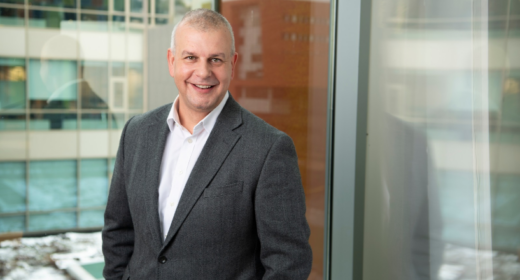
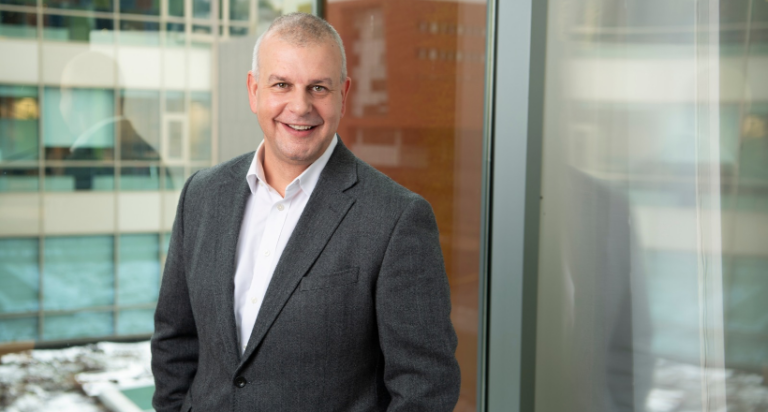
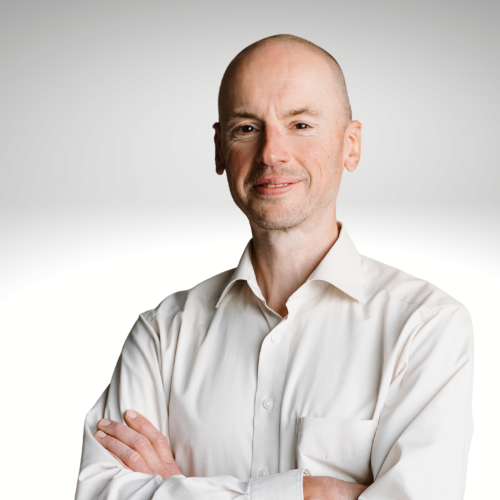
Simon Blockley, CEO UK and Europe at Vertage, and David Muyldermans, Country Manager Belgium, will be the keynote speakers at NextConomy’s Total Workforce Summit in Brussels on 26 November 2026.
Building on insights from Vertage’s international report The Outcome Economy at Work, Simon Blockley explains in this blog post why organisations must rethink workforce planning, how AI is changing the way work gets done and why putting people, skills and technology together around measurable outcomes is becoming a competitive advantage.
Simon, you have spent your entire career in workforce solutions. What makes this such an exciting time to be working in this sector?
I feel very fortunate to have found an industry that I have genuinely fallen in love with. I am a people person, and what makes this sector special is the opportunity to help individuals find fulfilment in their work while helping organisations achieve their objectives.
There has never been a more stimulating time to work in this field. The pace of change is unlike anything I have experienced throughout my career. AI is an important driver, but it is not the only one. Globalisation, economic pressures and regulatory changes are all influencing how organisations access talent and organise their work.
One factor that sometimes receives less attention is the changing expectations of people. As consumers, we have become accustomed to fast, personalised and flexible services. Those expectations increasingly carry over into the workplace. Candidates, freelancers and hiring managers expect a different experience than they did three to five years ago.
At Vertage, our role is to help both individuals and organisations navigate this changing environment. We want people to find purpose and fulfilment in the new world of work, while giving organisations the advice, guidance and insight they need to make well-informed decisions.
Why has Vertage published The Outcome Economy at Work?
Vertage is the new name for the parent company of ProUnity, reflecting our strategic transformation from a traditional workforce solutions group into a work orchestration platform.
Our report explores a fundamental change in how businesses think about work. Traditionally, when an organisation needed additional capacity, it would hire employees, engage contractors or bring in a supplier. Work was organised around roles, hours and resources because these were considered reasonable indicators of what a business could deliver.
That model is increasingly under pressure. Skills are difficult to find, specialist expertise can be sourced globally, and AI can augment human capabilities or automate certain tasks. At the same time, organisations face greater pressure to demonstrate the value of their investments.
We therefore need to change the starting point for workforce decisions. Instead of asking, “Who do we need?”, businesses should ask, “What do we need to accomplish?”. From there, they can determine the capabilities required and the best combination of employees, external specialists, partners and AI to achieve the desired result.
The question is no longer who we need, but what we need to accomplish.
What does your research tell us about the adoption of outcome-based work?
The shift is already well underway. Our research found that 74% of enterprise leaders define significant work around outcomes. In Belgium, the figure is 65%.
However, there is an important distinction between wanting to work in an outcome-oriented way and being equipped to do so consistently. Only 15% of the businesses in our research qualify as outcome-ready.
These organisations have connected their workforce decisions, operating models, technology and culture around clearly defined results. They are better positioned to convert opportunities into value, adapt to changing circumstances and achieve strategic goals.
The research shows a clear performance advantage. Outcome-ready businesses report stronger customer satisfaction and better delivery of strategic objectives than their peers. The opportunity for other organisations is to understand what separates these leaders from the rest and how they can close that gap.
How can organisations assess whether they are genuinely outcome-ready?
We examine three interconnected dimensions: structural, operational and cultural readiness.
Structural readiness concerns whether funding, governance, ownership and decision-making are organised around the outcome rather than being constrained by traditional functions or workforce categories.
Operational readiness looks at whether organisations can bring together employees, external specialists, suppliers and AI to deliver that outcome. In many businesses, these capabilities are still managed through separate systems and processes. HR may manage permanent employees, procurement may oversee suppliers, and technology teams may run AI initiatives independently.
Cultural readiness is about whether people understand the outcomes they influence and have the trust, judgement and authority to adapt how work gets done.
We also use a five-stage maturity framework, ranging from resource-led organisations to those that are fully outcome-ready. It helps leaders understand where they stand and identify the next changes needed. Importantly, businesses do not necessarily progress at the same pace across all three dimensions.
There is an important distinction between wanting to work in an outcome-oriented way and being equipped to do so consistently. Only 15% of the businesses in our research qualify as outcome-ready.
Belgium performs relatively well in some areas. Where do you see the biggest opportunities for improvement?
Belgian organisations have some encouraging strengths, particularly in AI culture and organisational agility. For example, 83% of Belgian respondents say their organisations encourage or expect people to raise AI-related problems, compared with 73% globally.
However, the structures needed to translate that openness into consistent results are still catching up. Only 32% of Belgian organisations plan delivery through a single strategy spanning employees, partners, suppliers and AI, compared with 40% globally.
We also see a difference in how employers and external professionals perceive the integration of external talent. While 74% of Belgian business leaders consider external talent integrated or strategic, only 52% of external Belgian professionals share that view.
These gaps matter. Organisations may believe they are working effectively with external talent, while freelancers and contractors experience something different. Better integration requires a shared understanding of the objectives, responsibilities and contribution expected from everyone involved.
Belgium has a solid foundation to build on. The challenge is to translate its cultural strengths into structures and operating models that consistently support outcome-based delivery.
While 74% of Belgian business leaders consider external talent integrated or strategic, only 52% of external Belgian professionals share that view.
What role should AI play in this transition?
AI introduces a new source of capability and changes how much time and labour may be required to achieve a result. But adopting AI is not, in itself, the differentiator. The organisations moving ahead are those redesigning work around it.
First, leaders need to define what should improve and who should benefit. Only then should they decide which activities AI can automate or augment and where human judgement remains essential.
We need to invest in the foundations before expecting technology to deliver its full potential. I often think of it as putting the soil in place before growing the corn. People, processes and organisational structures need to be ready for the change.
That also means ensuring that AI creates meaningful capacity rather than simply accelerating existing processes. One organisation in our research, for example, used AI to reduce manual effort in talent acquisition by an estimated 60–70%. The team could then devote more attention to candidate experience, deeper assessment and quality control.
The opportunity is not simply to improve efficiency. Done well, the outcome economy can strengthen business performance while creating better conditions for people to develop their expertise.
What should workforce leaders take away from your keynote at the Total Workforce Summit?
The most important message is that the outcome economy is no longer a future scenario. Organisations are already changing how work is designed, delivered and measured, and the pace of change is accelerating.
For workforce leaders, this means looking beyond individual sourcing channels or workforce categories. They need to understand the outcome the business is pursuing, identify the capabilities required and determine how employees, external professionals, partners and AI can work together most effectively.
That requires clarity about accountability, fair ways of measuring success and a culture in which people understand their contribution. It also means recognising that the experience of freelancers and contractors matters, rather than focusing exclusively on the needs of the hiring organisation.
There is no universal blueprint that every business can adopt overnight. Organisations need the discipline to experiment, learn and adapt. But they must do so with a clear direction.
Ultimately, the opportunity is not simply to improve efficiency. Done well, the outcome economy can strengthen business performance while creating better conditions for people to develop their expertise, find purpose in their work and contribute to meaningful results. That is the conversation I look forward to having with workforce professionals in Brussels.
Meet Simon Blockley and David Muyldermans at the 4th Total Workforce Summit 2026 this
26 November 2026 · VBO – Brussels · Organised by NextConomy
The Total Workforce Summit brings together workforce strategists, HR and talent acquisition leaders, procurement professionals and contingent workforce specialists to explore the future of work.
Find out more on the NextConomy website or reach out to marlies.ext@nextconomy.be to get your free ticket. English will be the working language during the summit.
Lees ook